Creative
Freedom

Music Academy

In-home private music instruction in New York City — grounded in neuroscience, delivered through play, deep listening, and genuine creative freedom.
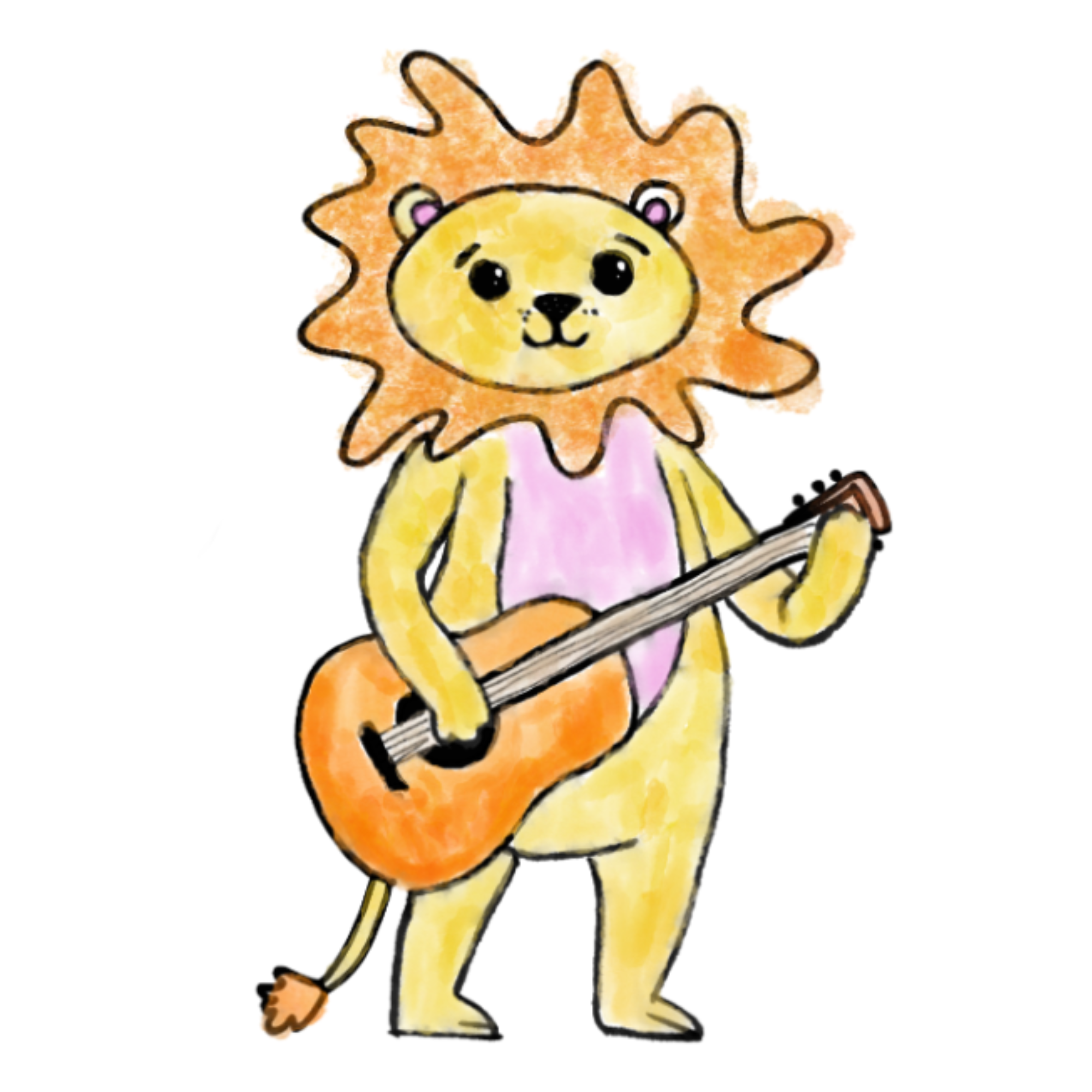
Lion
Leo
Guitar
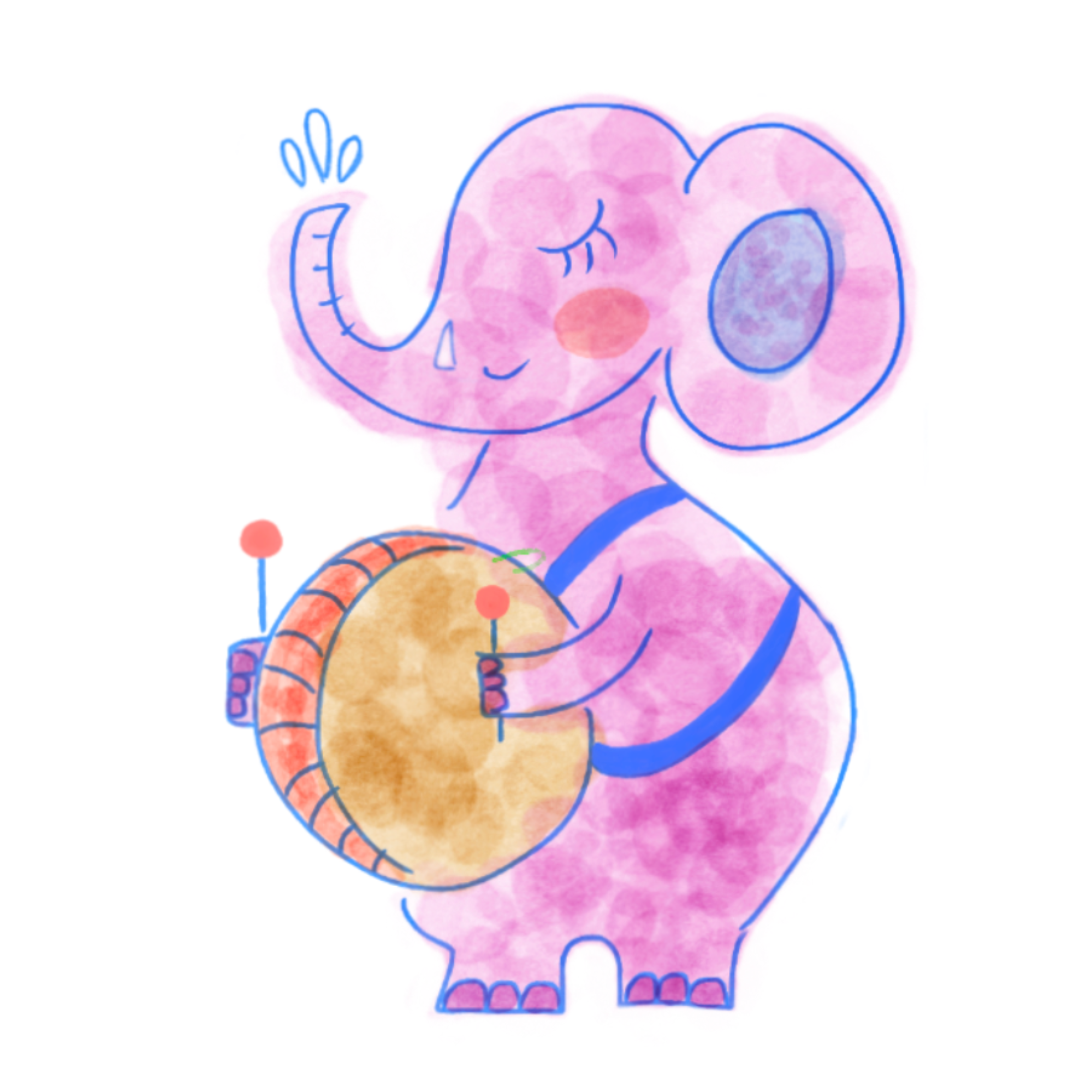
Elephant
Ellie
Percussion
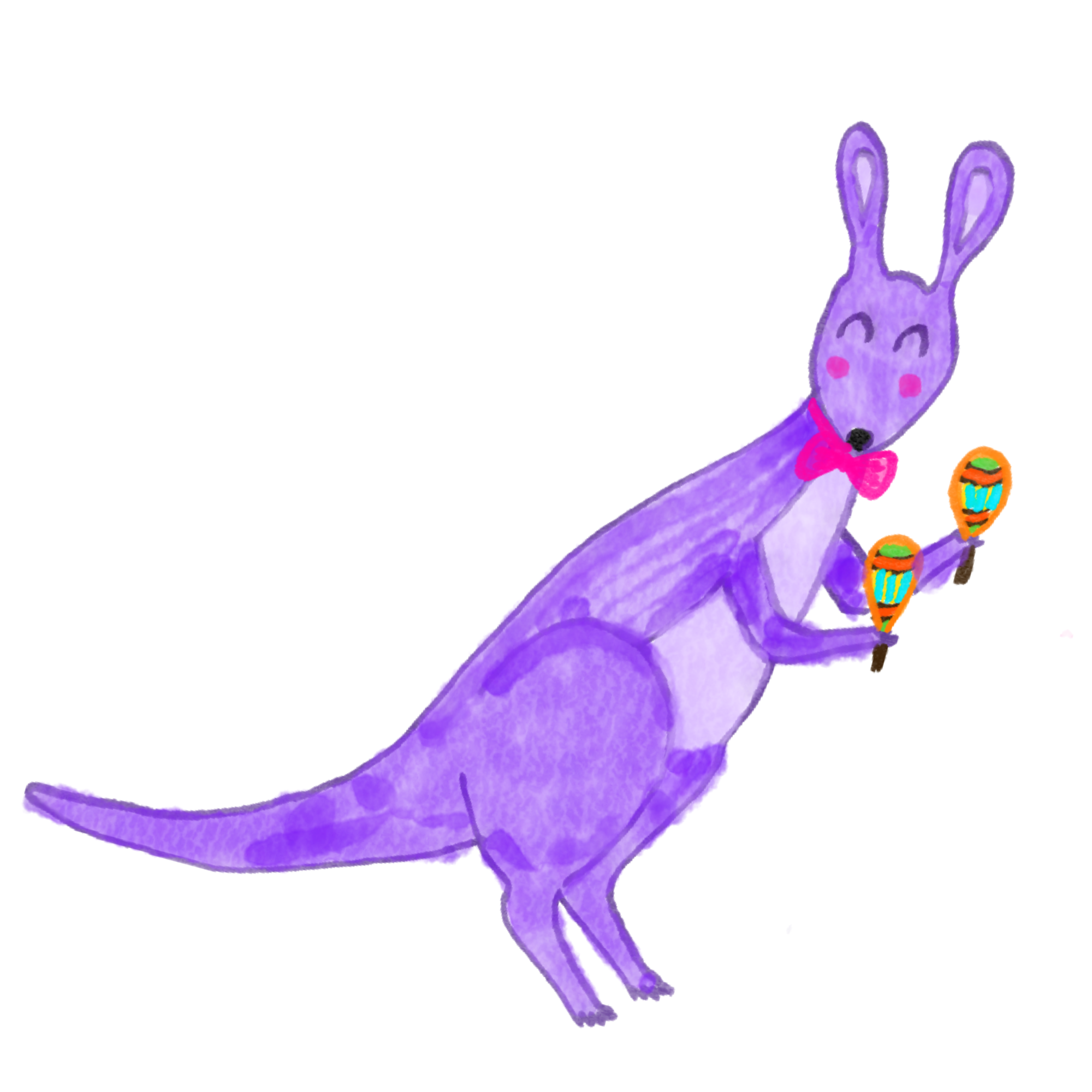
Kangaroo
Kanga
Maracas
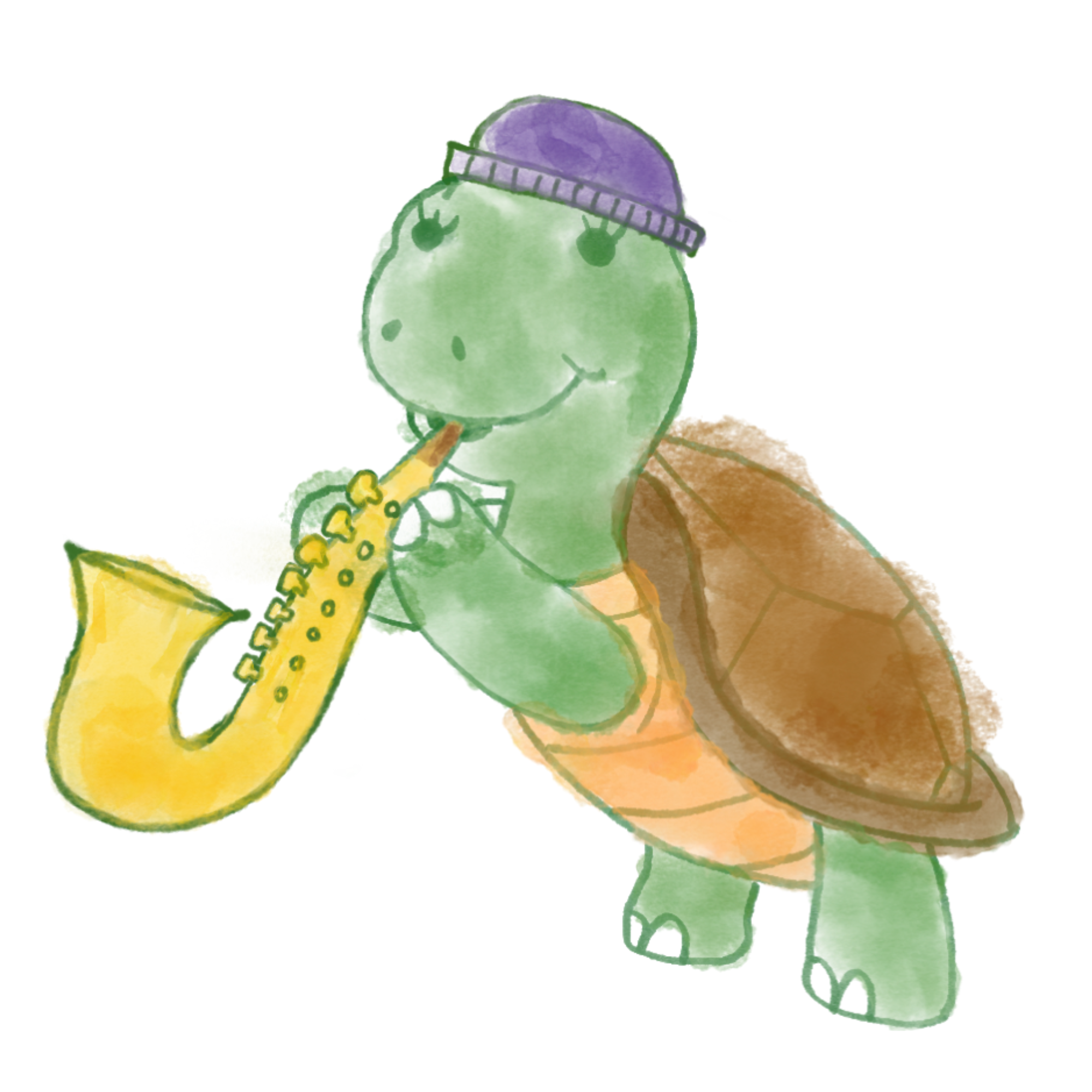
Tortoise
Toro
Trumpet
Piano Guitar Voice Ukulele Songwriting Music Reading Rhythm & Percussion Music Production Active Listening Piano Guitar Voice Ukulele Songwriting Music Reading Rhythm & Percussion Music Production Active Listening

Our Philosophy

Music is not a skill to acquire.
It's a language to discover.

Every child's brain is already wired for music. Our lessons combine real structure — music reading, technique, repertoire — with real freedom: improvisation, songwriting, and play. Students build something that lasts.

Neuroscience

Neuroscience-Informed

We draw from current research on how the brain learns music — rhythm first, emotion as accelerant, ear before notation. Every lesson is designed around how children actually learn.

Structure + Freedom

Structure + Freedom

Every student has two active pieces: one structured learning song that builds technique, and one choice piece — the one they hum in the car. Both are always active.

Deep Listening

Deep Listening

From Saint-Saëns' Carnival of the Animals to film scores and Blinding Lights — we teach students to feel and hear music expressively, not just technically.

Individualized

Fully Individualized

No two students learn alike. Every lesson adapts to your child's temperament, interests, and strengths. We meet them where they are and take them somewhere new.

Age Groups

Designed for every stage of musical development

Ages 3–5 · 30 minutes

The Resonance Stage

Everything through the body first

Rhythm, movement, singing, and imagination. Music literacy introduced as play. Lessons are short, joyful, and developmentally precise — building the neural foundations that last a lifetime.

Ages 5–9 · 45 minutes

The Expression Stage

Ear first, then the page

Students sing before they read. Every technique is given a creative outlet in the same lesson. Songwriting, instrument exploration, and first compositions alongside real music literacy.

Ages 9+ and Adults · 60 minutes

The Integration Stage

Full musical agency

Technique, repertoire, analysis, production, and creation — all in one session. Students learn to think like musicians: asking why music feels the way it does, then making their own.

Active Listening

We open every lesson with music worth hearing

From the animals of Saint-Saëns to Hans Zimmer's film scores — every piece is chosen to spark imagination, develop musical vocabulary, and make listening an act of discovery.

Classical
Carnival of the Animals
Saint-Saëns
Narrative
Peter and the Wolf
Prokofiev
Orchestral
The Planets
Holst
Jazz · Classical
Rhapsody in Blue
Gershwin
Dramatic
Hall of the Mountain King
Grieg
Film Score
Interstellar / Jurassic Park
Zimmer · Williams
World Music
African Drumming
World Music
Jazz
Birdland
Weather Report

"Music is powerful not just because we hear it — because our brains and bodies become it."

Neural Resonance Theory · Nature Reviews Neuroscience

Ready to begin?

Let's find your child's musical voice

We teach in your home, on your schedule — so music fits naturally into your family's life. Reach out to start the conversation.

The Story Behind the Academy

Music Taught the Way
Children Actually Learn

A holistic, neuroscience-informed approach to private music instruction — built for curiosity, designed for joy.

Our Story

Why we teach differently

Creative Freedom Music Academy was built on a simple conviction: the traditional way of teaching music to children gets it backwards. When we start with notation drills and technique exercises, we lose children before they ever fall in love.

Our approach begins with the body — with rhythm, movement, and listening. We use Saint-Saëns' Carnival of the Animals as one of our first active listening exercises because it does what great music always does: it tells a story without words, and children feel it instantly.

"Before a child can be free in music, they need a real foundation — but the path to that foundation should feel like play, not work."

That means learning songs they actually love — from Blinding Lights to Encanto to Let It Be — alongside real music reading, technique, and theory. Structure and freedom are not opposites. They make each other possible.

Every lesson is taught in your home, on a schedule that works for your family, by an instructor who genuinely studies how music and the developing brain interact.

The Science

Neural Resonance Theory

Research from McGill University published in Nature Reviews Neuroscience shows that the brain doesn't just process music — it physically resonates with it, from the auditory pathways to the spinal cord. Rhythm isn't learned. It's embodied.

Neuroplasticity & Early Learning

Studies in neurophysiological processing show that musical training during early childhood produces structural changes in the auditory cortex, motor cortex, and corpus callosum — benefits that extend far beyond music itself.

Ear-First Learning

When students can sing a melody before they read it, the visual symbol maps to an already-understood sound. This is neurologically more durable than the reverse — and it's how fluent musicians actually think.

Emotion as Accelerant

Emotional engagement accelerates memory consolidation. Music students who connect personally to their repertoire develop technique faster, retain it longer, and practice more willingly — because it means something to them.

What We Teach

Instruments & Disciplines

Piano
Piano
All ages · All levels
Guitar
Guitar
Ages 5 and up
Voice
Voice
Ages 4 and up
Ukulele
Ukulele
Ages 4 and up
Songwriting
Songwriting
Ages 6 and up
Production
Music Production
Ages 9 and up

Repertoire

What students actually play

Every student has two active pieces at all times — one that builds real musicianship, and one that makes them love music. Both always matter.

Active Listening Library

Carnival of the AnimalsSaint-Saëns · Animal characters, dynamics, imagination
Peter and the WolfProkofiev · Instruments as characters, narrative
The PlanetsHolst · Mood, imagery, orchestral color
In the Hall of the Mountain KingGrieg · Tempo, dynamics, storytelling
Rhapsody in BlueGershwin · Jazz meets classical, city energy
BirdlandWeather Report · Jazz groove, rhythm
My Neighbor TotoroJoe Hisaishi · Film score, magical imagery
Interstellar / Jurassic ParkZimmer & Williams · Modern emotional scores
African DrummingWorld Music · Rhythm as community and language

Fun Repertoire Students Love

Blinding LightsThe Weeknd · Piano and voice
I Like to Move ItReel 2 Real · Rhythm and energy for young kids
Encanto / Moana / FrozenDisney · High engagement ages 4–9
Bohemian RhapsodyQueen · Dynamics, form, harmony
Let It BeThe Beatles · Piano, chords, singable across ages
Stay With MeSam Smith · Simple, emotional, great for voice
Old Town RoadLil Nas X · Rhythm, contemporary
Clair de LuneDebussy · Impressionism, color, emotion
Student's current obsessionUpdated every semester — always student-led
Let's start the conversation

Get in Touch

Reach out to ask questions, schedule a trial lesson, or learn more about our approach. We'd love to meet your family.

Contact Info

NYC
Location New York City
In-home lessons across all boroughs
TEL
Text or Call Preferred first contact
MAIL
Email Via the form →
PAY
Payment Venmo · Zelle
Monthly tuition in advance

Common Questions

Do you offer a trial lesson?

Yes — reach out and we'll arrange a first session so you and your child can experience the approach before committing.

What neighborhoods do you serve?

We teach across NYC. Travel availability depends on location — mention your neighborhood in the form and we'll confirm.

What age do you start?

We welcome students from age 3. Our youngest learners do 30-minute playful sessions focused on rhythm, movement, and ear training.

Do parents need to be present?

Yes — a parent or guardian must be home for the full duration of every lesson.

Send Us a Message

We'll respond within 24 hours.

Message Received!

Message received!

Thank you for reaching out. We'll be in touch within 24 hours to start the conversation and arrange a trial lesson.